What Is On-Page SEO?
A practical guide to on-page SEO, content structure, internal linking, meta data, technical optimization, analytics, and WordPress SEO tools.
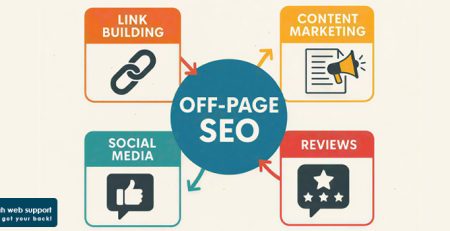
SEO is commonly divided into two main categories: on-page SEO and off-page SEO. On-page SEO refers to the actions taken inside a website or on individual pages, while off-page SEO focuses more on external signals such as backlinks, brand mentions, and domain authority. In this article, we will examine on-page SEO in detail and explain how it supports long-term search visibility.
What Is On-Page SEO?
On-page SEO is the process of optimizing the internal pages of a website so that search engines can better understand their content and users can have a clearer, more useful experience. The main goal of on-page SEO is to make each page more relevant, structured, accessible, and valuable for both search engines and human visitors.
Through on-page SEO, search engines can discover pages more efficiently, read their content more accurately, identify relationships between pages, and understand the main topic of each page. When a page meets strong content, technical, and structural standards, it has a better chance of ranking well in search results and attracting qualified traffic.
In simple terms, on-page SEO helps every page answer the user’s search intent more effectively while also making the page easier for search engines to crawl, index, and evaluate.
Why On-Page SEO Matters
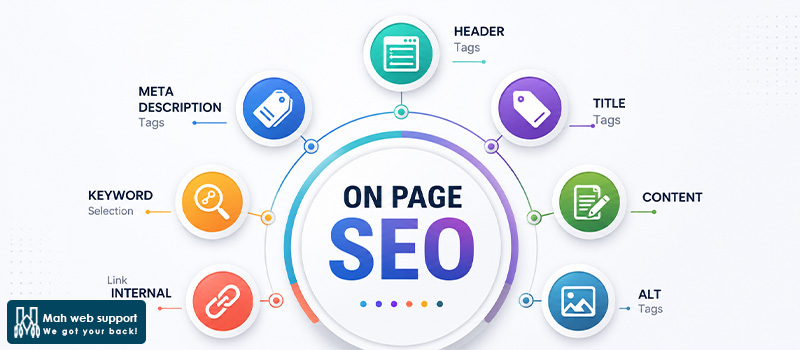
On-page SEO includes all the improvements made within a page or within the internal structure of a website to help that page rank for a specific topic. These improvements may include high-quality content, proper keyword usage, optimized page titles, meta descriptions, heading structure, internal links, image optimization, page speed, user experience, and structured data.
One important part of on-page SEO is creating a logical path between related pages. For example, in an ecommerce website, product pages, category pages, educational articles, and related products should be connected in a way that helps users move from research to purchase with less friction.
If a user lands on a shoe product page, internal links can guide them to matching trousers, shirts, accessories, or buying guides. When this path is designed properly, it can improve user experience, increase conversion opportunities, and help search engines understand the topical relationship between different pages.
On-page SEO is not limited to keyword placement. It includes content quality, page structure, internal navigation, technical health, mobile usability, and the overall experience users have on the page.
Technical Structure and Code Optimization
A strong technical foundation is an important part of on-page SEO. A website with poor code quality, slow loading speed, weak security, mobile display issues, or unclear page structure may struggle in search results even if its content is useful.
SEO should be considered from the early stages of website design and development. URL structure, page loading speed, clean code, security, responsive design, mobile compatibility, and user experience should all be part of the website planning process.
Choosing reliable hosting, using an SSL certificate, optimizing images, reducing unnecessary code, improving Core Web Vitals, and designing a logical site architecture can all support better SEO performance. A well-designed user interface and user experience also help visitors interact with the website more easily, stay longer, and reach their goals faster.
For more information about security and technical trust signals, read our guide on how SSL works.
Content Optimization: The Core of On-Page SEO
Content is one of the most important elements of on-page SEO. Search engines need to understand the topic, depth, and usefulness of a page before they can rank it effectively. Without accurate, complete, and purposeful content, it is difficult to achieve meaningful SEO performance.
Effective SEO content should respond to the user’s real need, follow a clear structure, and cover the topic with enough depth. Natural keyword usage, relevant titles, organized headings, readable paragraphs, helpful images, and answers to likely user questions are all important parts of SEO-friendly content.
Content optimization should not be reduced to repeating keywords. Strong content is built around search intent. For example, a user searching for “what is on-page SEO” is likely looking for a definition, practical techniques, examples, and guidance. The page should therefore be designed to answer that intent clearly and completely.
Image optimization is also part of content optimization. Descriptive file names, compressed images, relevant visual content, and clear alt text can improve accessibility and support search visibility. You can read more in our article on why image SEO matters.
Internal Linking
Internal linking is one of the most important techniques in on-page SEO. It refers to the practice of connecting different pages of the same website through relevant and purposeful links. Internal links help users move between related content and discover more useful information.
Internal links also help search engines understand the structure of a website and identify the relative importance of different pages. Pages that receive links from relevant and authoritative internal pages may have a better chance of being crawled, indexed, and evaluated correctly.
Internal linking should always be based on topical relevance. Linking from an educational article to a related guide, from a category page to important products, or from a product page to a related buying guide are examples of effective internal linking. Anchor text should be descriptive, natural, and relevant to the destination page.
For ecommerce websites, internal linking is especially important because it connects informational content, category pages, product pages, and conversion-focused pages into one clear user journey.
Using Meta Data Correctly
Meta data helps search engines and users understand what a page is about. The most important meta elements for on-page SEO are the title tag and the meta description.
The title tag is one of the most important on-page elements because it can appear in search results and helps search engines identify the main topic of the page. A strong title should be accurate, relevant, compelling, and include the main keyword naturally.
The meta description provides a short summary of the page. Although it is not usually considered a direct ranking factor, it can influence click-through rate from search results. A good meta description should be clear, persuasive, and consistent with the actual content of the page.
In addition to titles and descriptions, proper use of headings, image alt text, structured data, and schema markup can help search engines interpret the page more accurately.
To understand how search engines access and interpret parts of a website, read our guide on what robots.txt is and why it matters in SEO.
Using Google Search Console and Google Analytics
Analytics tools are essential for managing and improving on-page SEO. Two of the most important tools are Google Search Console and Google Analytics.
Google Search Console provides information about a website’s performance in Google Search. It helps website owners see which queries bring users to the site, which pages receive impressions and clicks, whether indexing issues exist, and how Google evaluates certain technical aspects of the website.
Google Analytics focuses on user behavior inside the website. It can show where users come from, which pages they visit, how long they stay, where they exit, and what actions they take.
Using data from both tools allows website owners to make better decisions about content updates, page structure, user experience, and conversion paths.
Using SEO Plugins
Many content management systems, especially WordPress, offer SEO plugins that simplify parts of the on-page optimization process. Tools such as Yoast SEO, Rank Math, and similar plugins can help manage SEO titles, meta descriptions, XML sitemaps, schema markup, index settings, and basic content analysis.
However, SEO plugins do not guarantee rankings on their own. They are tools that make implementation easier. Content quality, site structure, user experience, speed, security, and a clear SEO strategy still play the main role in long-term SEO success.
If you use WordPress, regular updates and maintenance are also important. You can learn more in our article on why you should update the site core and plugins.
Conclusion
On-page SEO is one of the most important foundations of successful search engine optimization. Every page of a website should be optimized in terms of content, structure, internal links, meta data, user experience, and technical performance so that it can be useful for users and understandable for search engines.
Actions such as creating purposeful content, using keywords naturally, optimizing titles and meta descriptions, building internal links, improving page speed and security, using analytics tools, and focusing on user experience are all part of on-page SEO.
On-page SEO is not a one-time task. It is an ongoing process. To maintain and improve search rankings, website pages should be reviewed, updated, and improved regularly. When on-page SEO is done correctly, other SEO activities such as external link building, content marketing, and social media promotion can become much more effective.